



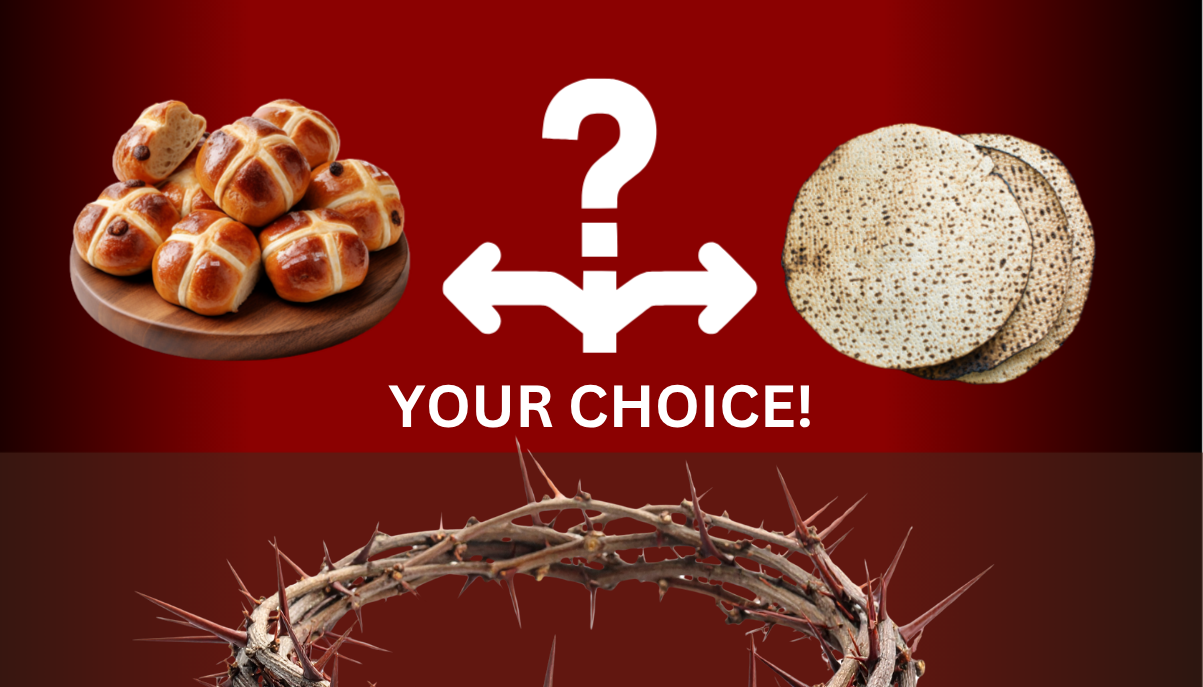
Will it be hot cross buns or unleavened bread, Easter ham or lamb?
I used to think hot cross buns were just a special type of Creole buns made by Belizean matriarchs. I did not realize until late in my adult life that this is an almost universal tradition, linked with the global Easter celebration for quite some time. I learned this when I began to gain an understanding of the origins of Easter.
The celebration of Easter around March/April each year demonstrates the belief by Christians in general that the Messiah died in Spring. Ancient civilizations had various times of the year when they marked the New Year, some on December 25, others March 1, and then January 1. With the adoption of the Gregorian calendar in the 16th century, January 1 was established as the civil New Year.
According to History.com, “The earliest recorded festivities in honor of a new year’s arrival date back some 4,000 years [2,000 BC] to ancient Babylon. For the Babylonians, the first new moon following the vernal equinox—the day in late March with an equal amount of sunlight and darkness—heralded the start of a new year.”
Today’s celebration of Easter—which in 2026 falls on Sunday, 5 April—follows a similar timing, the difference being that it is always celebrated on a Sunday (‘deis solis‘- the day of the Sun). The Encylopedia Britannica says: “The Council of Nicaea in 325 decreed that Easter should be observed on the first Sunday following the first full moon after the spring equinox (March 21). Easter, therefore, can fall on any Sunday between March 22 and April 25.”
This is where the wisdom of YAH is needed, as He Himself gives very clear instructions on the appointed times we are to celebrate—including the observance He calls Passover or Pesach—celebrated in truth not with leavened hot cross buns but with unleavened bread. He specifically commands His people to put away leaven—in the physical and spiritual sense—from His dwelling place, which is our bodies.
After the celebration of Passover, we observe 7 days of Unleavened Bread, the first and last of which are annual Sabbaths, when we cease from secular work. This period reminds us of the period when our Messiah was laid in the tomb and resurrected—three days and three nights (or 72 hours) later—at the end of the Sabbath during that Passover week when he was put to death. Likewise, we are to put to death our worldly and sinful ways, so that we could truly live in and with Him!
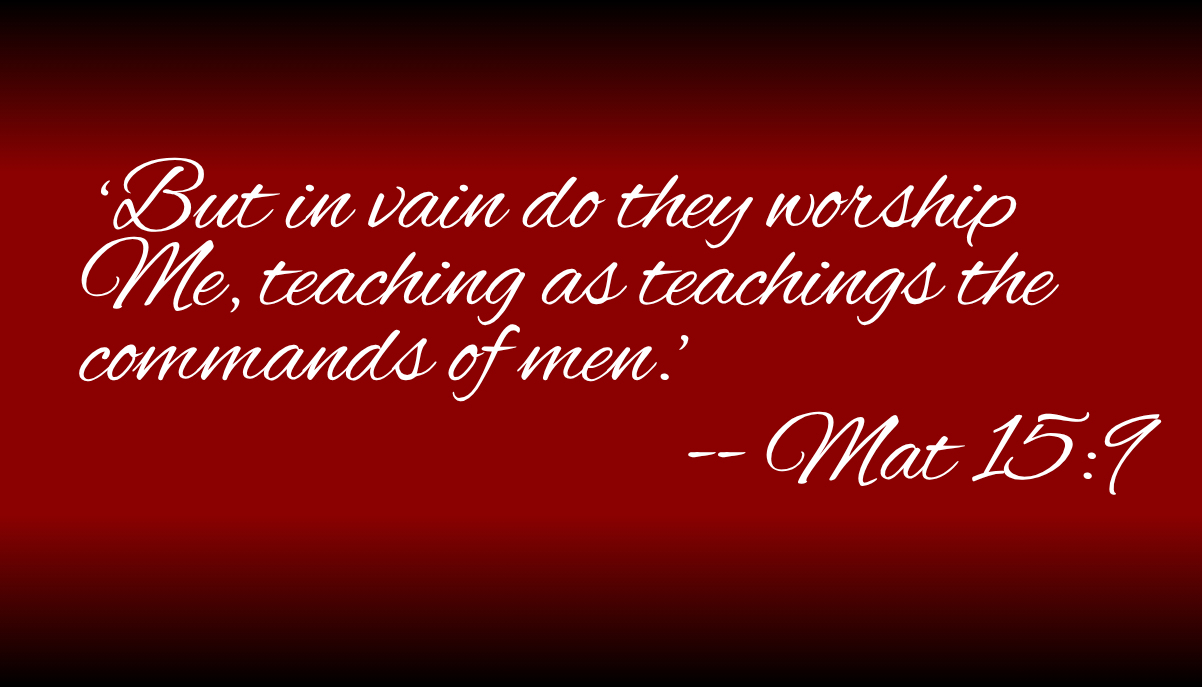
YAH says in Uayyiqra (Leviticus) 23:4-8:
These are the appointed times of , set-apart gatherings which you are to proclaim at their appointed times. In the first new moon, on the fourteenth day of the new moon, between the evenings, is the Pěsaḥ (or Passover /Pesach) to 𐤉𐤄𐤅𐤄. And on the fifteenth day of this new moon is the Festival of Matzot (or Unleavened Bread) to 𐤉𐤄𐤅𐤄 – seven days you eat unleavened bread. On the first day you have a set-apart gathering, you do no servile work. And you shall bring an offering made by fire to 𐤉𐤄𐤅𐤄 for seven days. On the seventh day is a set-apart gathering, you do no servile work.
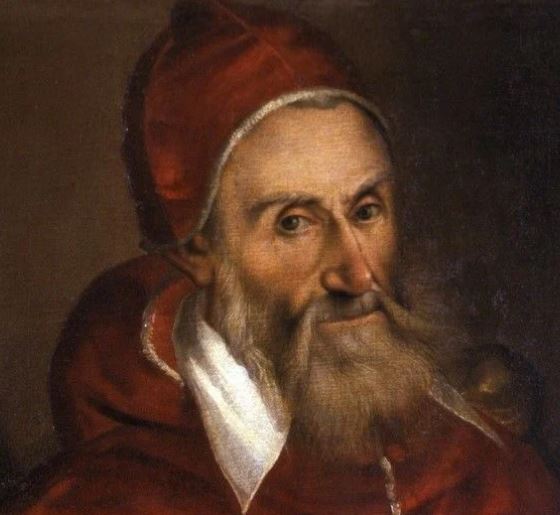
The international community today marks time by the Gregorian Calendar. This civil calendar, named after Pope Gregory XIII, is the norm for most countries, especially in the Western world. According to the Encyclopedia Britannica, “the Gregorian calendar, also called New Style calendar, solar dating system [is] now in general use. It was proclaimed in 1582 by Pope Gregory XIII as a reform of the Julian calendar.” There has been a general movement towards calendar reform, and according to international standard (ISO 8601), Monday is now considered the first day of the week, which would make Sunday the seventh day of the week, rather than the Scriptural seventh day—known as the SABBATH.